
Please ensure Javascript is enabled for purposes of website accessibility

  Deal with our Dragons

In a recent Zoom session on Mary Magdalene, I referenced the Golden Legend, a Medieval collection of fanciful stories about various saints. It was compiled in the 1260’s by Jacobus de Voragine and wildly popular in the Middle Ages, more widely read and known than the Bible, and taken by folks of that time to be as true as the sacred tex

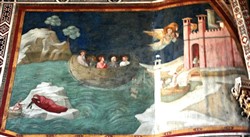
In the Golden Legend, Martha, her sister, Mary, and brother, Lazarus, all set off from the Holy Land in a rudderless ship and cast themselves upon the whim of the sea and grace of God. They are, of course, miraculously guided, and eventually the Mediterranean coughs them up on the rocky shores of Marseilles, France, where their various adventures ensue. These adventures become the stuff of local legend and various locations, particularly in France, still foster popular devotion and bear their names.  


Dragon 1

Its colorful, whimsical tales fueled legends like the search for the Holy Grail and inspired cities to rival one

another for patron saints and relics. We may cast a bemused glance at such Phantasmagorical literature,but

there is often a kernel of truth or a gem of wisdom to be found for the

seeker. My favorite example is that of St. Martha and the Dragon

Dragons, of course, were a terrible problem in the Middle Ages terrorizing villagers,

shooting flames, snorting smoke, and chewing up folks in a single chomp. They did,

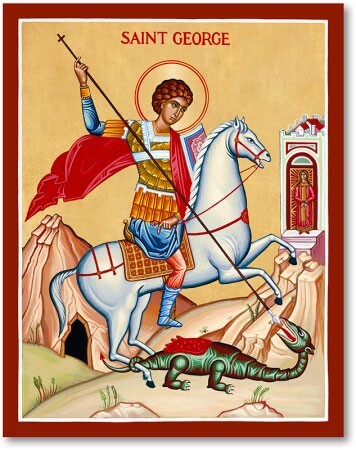
however, provide stalwart knights a good deal of job security, as evidenced by that most popula

and famous dragon-slayer of all, St. George. 
Dragon 2 250

For reasons not apparent in the story—perhaps St. George was not available, having been "claimed,” so to speak, by the English, and perhaps there were no other available knights upon steeds in the locality, but one French village being terrorized by a dragon, beseeched St. Martha to come to their aid. 

What did Martha do? Did she garb herself in armor, grab the nearest broadsword, and climb upon a white stallion? No. She did just as she did when she

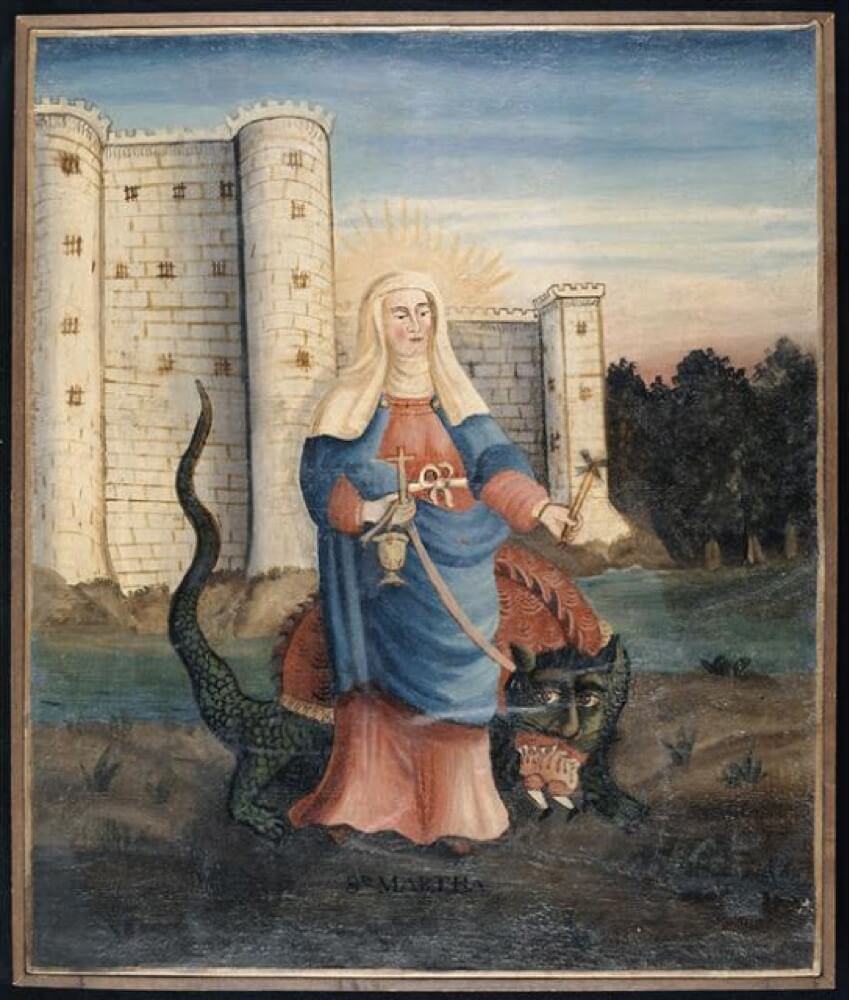
cast herself upon the sea. She said a prayer and trusted in the providence of God. She grabbed a cross, a vial of holy water, and asked for directions to the dragon.

Dragon 3 250


She happened upon said dragon in mid-chomp of a hapless villager—which proves how truly dangerous dragons in general, and this dragon in particular, could be. She approached; cross held high, confident of the power of God. She sprinkled holy water upon the beast, and he cowered before her. Taking off her girdle, she wrapped the ogre with it and marched him back to the village as a shame-faced, submissive serpent—for the villagers to deal with!

There in lies the moral and genius of the story. She did not go about slaying dragons for others, but, rather, tamed them enough for those others to confront them. Deal with your dragons! So says St. Martha.  


If in your closet, you happen to have a knight in shining armor who will slay your

dragons for you—good for you! But if not, may you find a Martha who will say a prayer

and tame your dragons just enough for you and the dragon to figure a way to co-exist.  
Dragon 4