

Scribbles from...
We were ready to hit the backroads and leave the interstate behind, so we headed southeast out of Lexington on US-68. The travel guide recommended it as a route that “takes you through Kentucky's Bluegrass region of rolling hills and scenic pastures highlighted by miles of black and white planked fences, horse barns that look like mansions, and tobacco fields.”
It was all of that and more. We feasted on the scenery, but the best part, for us, was time spent at the Shaker Village of Pleasant Hill. We ended up staying for the balance of the day and have since returned—not a given when your starting point is Seattle. But it captivated our hearts, imagination and, even, souls.
Guides in Shaker clothing led us past tidy garden rows and through barns and buildings, recreating the life of the mid-19th century Shaker community that once thrived there, a community of more than 500.
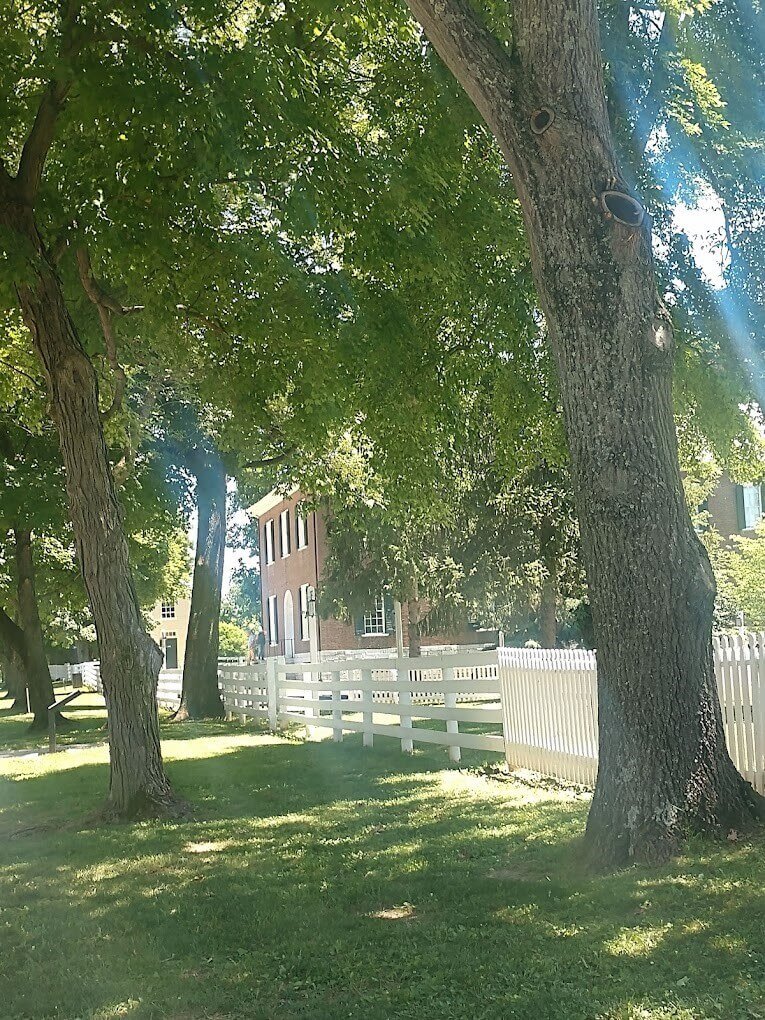
There were moments away from the tour group that were ours alone. Standing beneath an expanse of blue sky, my feet firmly planted on the earth, I felt compelled to slip out of my sandals and curl my toes in the grass, to feel its coolness and ground myself in the solid strength beneath. I did so to make it all more real, to fix it in memory, but also out of reverence, the conviction that this had once been holy ground and I could sense it still was.
Such was my introduction to the Shaker experiment. I read up a good deal and fell in love with the songs, the furniture, the work ethic, the simplicity. Mostly, I was entranced by a vision of God and of God’s kingdom that was based on radical equality for all. It was more than a concept; it was a way of life, an island of gender and racial equality deep in the American South of the Civil War era. As pacificists, they did not fight in the war, but offered nursing, food, and refuge to soldiers of both sides who came to them.
In a slave-holding state, they quietly purchased slaves as they could afford and then freed them, many of whom stayed to live and work among them as equals. Leadership was shared equally between men and women who lived celibate lives in separate quarters. They took in orphans and children left on their doorstep to raise with the caveat that they were free to leave when they came of age. Their quiet industry, the quality of their produce and goods, the schooling they offered, and the authenticity of their lives so won the respect of their neighbors that they were not harassed for holding views contrary to the world around them.
I remember a feature of their Meeting Hall, used for worship. It had drop-down benches around the sides to serve for extra seating. In a time before ambient sound, the songs and stomping of their Sunday worship would resound across the Kentucky hills inviting neighbors to come and see. The benches were there to accommodate the onlookers as the Shakers chanted and marched in praise, the movement that gave rise to their name.
Alas, their numbers steadily diminished after the industrial revolution took away the market for hand-crafted goods, and the celibate lifestyle impacted the prospect of new members. By the early 20th century numerous communities were failing and closing. By 1992, all had closed except one remaining community in Sabbathday Lake, Maine.
A dear friend of mine and gentle soul, Fr. Ward Oakshott, once had the good fortune to visit there, many years ago. At the end of a day marked with deep conversation, shared meals, silence, and prayer, Fr. Ward found himself sitting in a rocker on the front porch with Sr. June and Sr. Frances, the only two remaining Shaker women. Perhaps, as he tells it, he sighed too deeply, for Sr. Frances leaned toward him and inquired, “What stirs your soul, my friend?” Encouraged by the depth of the day’s conversation and by the felt bond of friendship in that summer’s eve, he dared give voice to the sadness he harbored.
“It must be hard to see a way of life end,” he gently offered.
In the waning light, he could faintly make out the smile that played on Sr. Frances’ lips as she rocked gently.
“Not if you’ve done everything God has asked you to do,” she spoke in sweet satisfaction.
Not if you’ve done everything God has asked you to do.
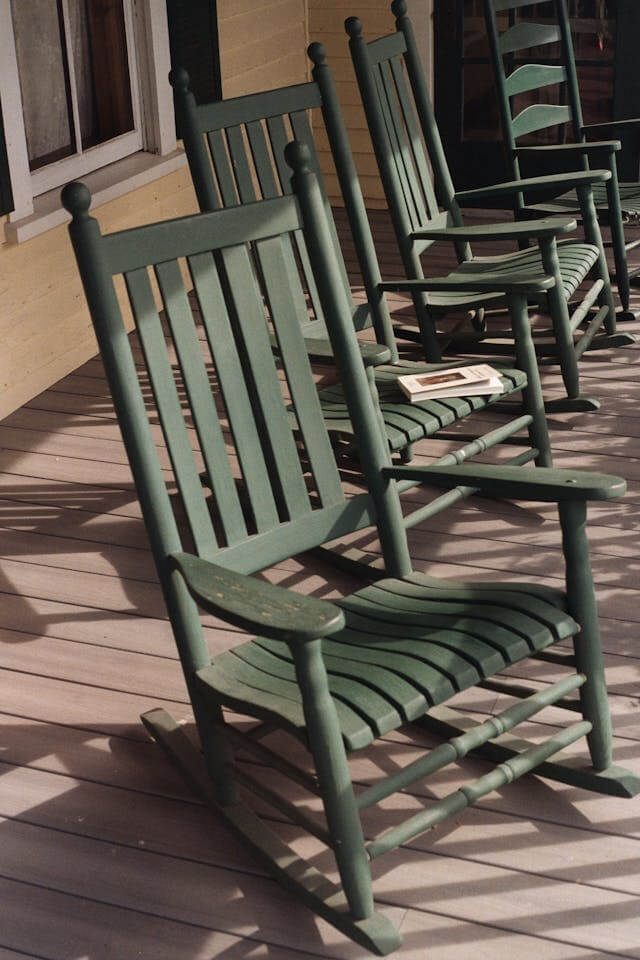
Both Fr. Ward and Sr. Frances have since come to the end of their days. My sense of each is that they were able to say that they had, as best they could, done everything God had asked them to do. I expect their last journey was truly homeward and joy-filled.
Fr. Ward’s story and Sr. Frances’ words have stayed with me. They help me measure my days, setting both a lofty goal and a low bar. To somehow do all that God asks of you is, indeed, an exalted ambition. Even as we know how unattainable that may be, the desire to do so creates a heartfelt and endless desire to strive in that regard. It is the enactment of Matthew 5:48 to “be perfect as your heavenly Father is perfect.”
But to focus and desire only that which God asks of me? To not be distracted by the opinions and judgments of others, not even my own? Nothing more? Nothing less? This creates a world of possibility, places everything within the circle of my doing. There is nothing God will ask me to do without also providing the means. It is an invitation to live in the perfect confidence of Ps 62:1 “In God alone I place my trust.”
Have I done everything God has asked me to do?
This question serves for me like a balance pole as I walk the daily tightrope of life. It serves as both a mantra for the day—is this what you ask of me, God? —and an examen for the evening; did I do what you asked, God?
And in true Shaker spirit, it strips away all that is unneeded, fanciful, and distracting. “’Tis a gift to be simple.”
Summer Enrichment Sessions...
"One of the great joys of summer is the leisure to explore learning."
That joy is doubled when shared. Come join us for either or both of our summer offerings via Zoom. Each will be based on the shared listening to podcast presentations followed by conversation.
Our July session will be Foundations for Being Alive Now, from Krista Tippett's On Being Project, an NPR program.
Together we will listen to and discuss four 10-minute podcasts:
Four short listens, more wisdom practice than podcast: life-giving, hope-generating words, ideas and practices that can literally shape your experience of reality — and shape what can become possible.
At this juncture in the life of the world, we are all stretching. We are finding the ground shifting beneath our feet, whoever we are. Think of these as tethering foundations towards walking our way into our callings in this world of so much pain — and so much promise. For a sample of Krista Tippet's podcast, here's her website, On Being.
Our August offering is Deep Time Walk with Dr. Stephan Harding.
This podcast with ecologist and author Stephan Harding, was first offered as a TED talk, "Outrage and Optimism: The Deep Time Walk." It's an immersive sound journey through the history of earth. Together we will listen and imagine ourselves on a 4.6 kilometer walk with each meter representing 1 million years, as Dr. Harding reconstructs the events that happened to bring us to this point today.
Such topics have in the past, seemed overwhelming to me, creating a sense of personal insignificance. In this overarching and brilliant narrative, however, my takeaway is much different, one of purpose and agency. I will be curious to see if you feel the same. And for a sample of Stephan Harding, Gaia interview with Stephan Harding.
Please provide input on the best dates and times for you by responding to the survey below. Registration will open as soon as scheduling is finalized. Please respond by June 10th.
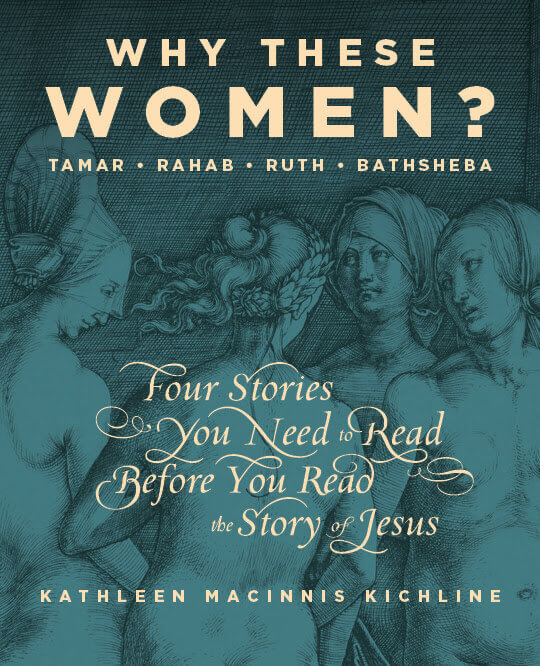
And of course the best leisure and enrichment of all is a good book in your hands. If you haven't already had the pleasure may I recommend WHY THESE WOMEN: Four Stories You Need to Read Before You Read the Story of Jesus. Discover the significance of the four women named in Matthew's genealogy of Jesus : Tamar, Rahab, Ruth and Bathsheba. To preview or order, you may go to Amazon here: WHY THESE WOMEN.
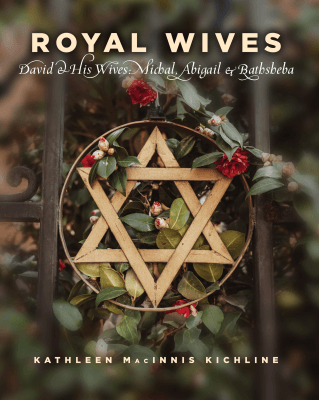
For additional fun or if you are planning what to offer as a study for others come fall, here's the latest of my scripture mini-studies, ROYAL WIVES: David and His Wives Michal, Abigail, and Bathsheba. Settle in and imagine the conversations your group will have with this little gem. This too may be previewed and ordered via Amazon here:ROYAL WIVES
Responses from Readers...
Love your travel story! You bring me with you into the reverie of awe and gratitude! - Betsey
My first response to your touching story about the first-class gift was that you were visited by an angel—a real sign that God loves you and your husband very much. - Lucinda
Well, you've done it again...touched our hearts and opened wide our imaginations. I cried reading your heartwarming story about the man in 29A. It is such a lovely story about love, life, generosity and kindness. What a beautiful gift you received! Thank you for sharing this amazing experience. I enjoyed learning about Magdala and reading With One Accord. Such interesting reading! I especially enjoyed The Original Wound article by John Dalla Costa and Daughters of Eve: Edith Stein and the Vocation of Woman by Joanne Wosley. I found both articles (as well as the others) inspiring, enriching and thought provoking. It is a breath of fresh air to think about Adam and Eve with these new perspectives. Finally, kudos on the book review of your new book. I ordered it and very much look forward to reading it! I am hoping to join you in your Summer offerings! - Nan
Thanks for getting me thinking about Eve! I remembered I had collected quotes about her years and I found them - Eilsabeth (her wide rage of quotes included everything from condemnation by Tertullian in the 2nd C. "Eve...you are the devil's gateway, you desecrated the fatal tree, you first betrayed the Law of God...You deserved death and it was the Son of God who had to die!" to poetic musing by Milton in the17th C, "O, Eve, in the evil hour, thou didst give ear to that false worm." to contemporary praise "Eve, the occasion of our fall from grace is also the occasion of our salvation...she set in motion the wheels of salvation..." by Barbara Grizzuti Harrison, Out of the Garden, 1994)
Contact Kathleen